
PoetryByAarvi

27? Confirmed?

This poem captures the fragmented horror of absorbing distant tragedy. The voice overhears a mother crying and whispering the words: “27? Confirmed?”. The initial hope that it’s a party headcount is quickly crushed by the confirmation of 27 deaths in a terrorist attack. The terror deepens with the specific details: “27 men. Killed with guns.

27? Confirmed? Read More »

Everyone Has A Plan

This is a heart-rending tribute to futures abruptly cut short. The poem introduces students with firm plans: one to write “Dr.” before her name, another to save a life before age 25. This certainty is shattered by the news of a plane crash at BJ Medical College. The students were planning their next surgery or

Everyone Has A Plan Read More »

Invisible Chains

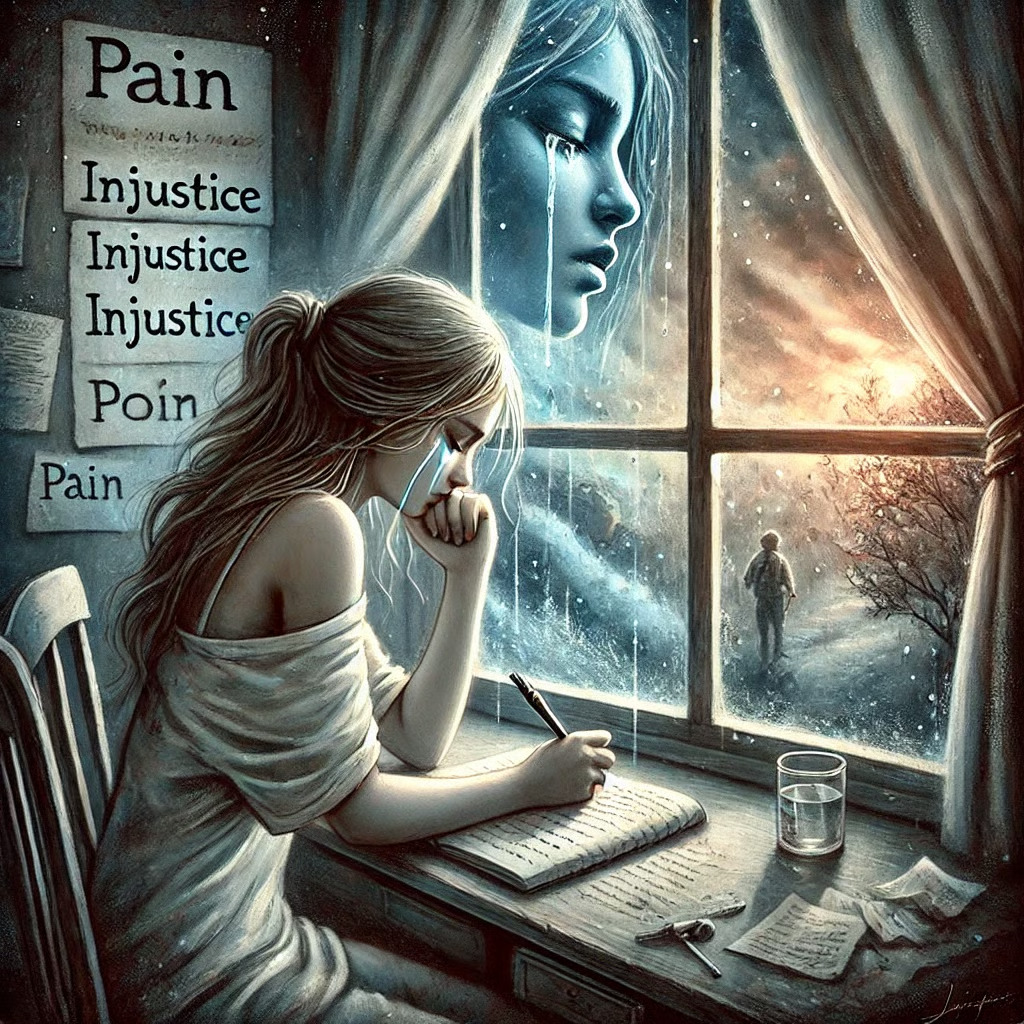
This poem exposes the silent cruelty of systemic injustice. It argues that while Lady Justice is supposedly blind, she only smiles at a few, leaving “the poor, / the colored, / the unseen” to suffer. The focus is on invisible chains that don’t clink but manifest as lack of opportunity. These invisible restraints are schools

Invisible Chains Read More »

I Hate The Color Yellow

This poem uses the color yellow as a powerful, agonizing symbol of persistent grief. The voice hates it because it is “too loud, too happy, too bright,” mocking the author’s silence. The sunlight and the sunflowers are cruel because they glow as if they have “never known sorrow”. The hatred for the color is rooted

I Hate The Color Yellow Read More »

Thirteen

This is a raw, unvarnished portrait of teenage grief and emotional isolation. The poem asserts that no one listens until the suffering becomes visible, when “blood spills where your skin splits”. Adults dismiss the pain, claiming the “real world is harder”. The poem laments that thirteen-year-olds are forced to master the “art of pretending” while

Thirteen Read More »

The River Forgets

This poem is an emotional plea against the artificiality of political borders. The landscape itself rebels against the division: the same crops grow on both sides and “mother earth / didn’t come with the etched lines”. The children on both sides of the river share the same sun and the same grandmothers. In school, both

The River Forgets Read More »

Yes & No, Traffic & King

This poem uses a brutal “Yes & No” duality to contrast two lives: a girl of extreme privilege and a girl of extreme poverty. The “Yes” girl lives in a “country of privilege” where she chooses her sports. The “No” girl is in a “jumbled-up world” and is poor, forced to work in a shoe

Yes & No, Traffic & King Read More »

Paying Forward

This poem celebrates the immense sacrifice of immigrant parents and exposes the cruel irony of their child’s success. It honors the parents’ arduous journey, which involved leaving “everything behind” to pursue opportunity. They worked hard and achieved the American Dream. The voice, now making “A lot of money,” imagines an elaborate, globe-trotting vacation for her

Paying Forward Read More »

Hands

A deeply moving tribute to a mother’s hands, charting their journey from strong, comforting power to fragility. The hands that once wiped away scraped knees and tears were the same ones that fearlessly flipped parathas barehanded. They were a source of cultural knowledge, teaching the speaker to fold samosas “like tiny envelopes of care”. The

Hands Read More »

Scroll to Top